Huntsville and Madison County are for the birds. And for the birders. Of all the natural resources throughout the area, our feathered friends are probably among the most unappreciated.
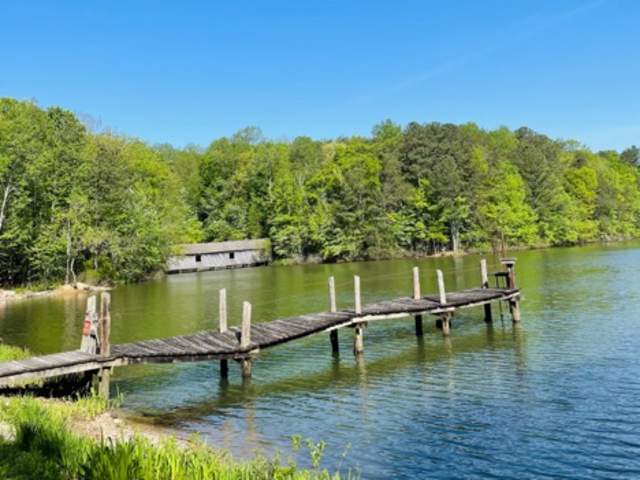
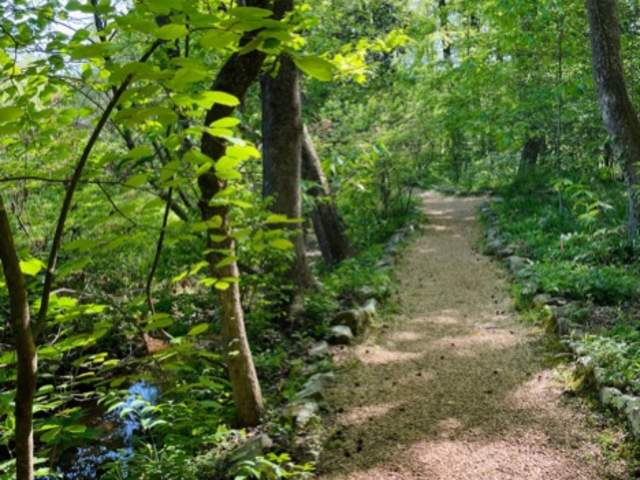
Fortunately, there are places all over the county - east, west, north, and south - to appreciate birds, be they on land, water, or the air.
Chapman Mountain Nature Preserve, Hays Nature Preserve, Monte Sano State Park, Goldsmith-Schiffman Wildlife Sanctuary, Wheeler National Wildlife Refuge, and the Madison County Nature Trail are among the most popular spots, according to area birders. Along with binocular-sporting birders, scores of photographers and artists are enraptured as the birds’ natural flight leads to works of art.
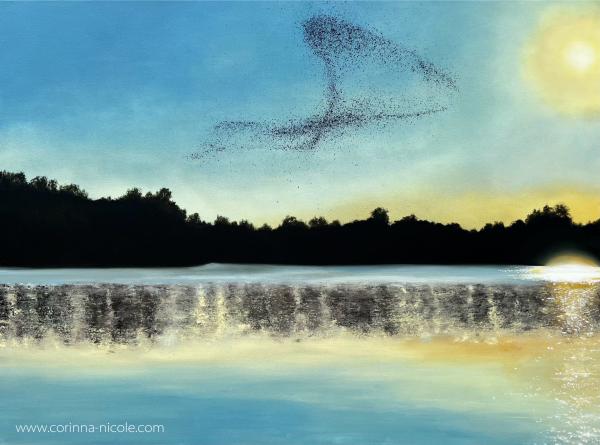
One of the artists whose eye was captured is Corinna Nicole, who has a studio in Lowe Mill ARTS & Entertainment. Nicole’s works have been inspired by “murmurations” of starlings. These movements, where hundreds of the birds travel together and move suddenly in sync, “captivated” her.

“The first time I saw a video of a murmuration (in 2012), I was absolutely captivated,” said Nicole. “The fluid, shape-shifting formations of starling flocks seem like calculated, rehearsed dances, yet they are completely instinctual.
“I couldn’t believe that there were these birds unknowingly creating mesmerizing works of art in the sky for us humans to admire.”
Nicole isn’t a birder; she said the flock formations in her paintings are often imagined and added to the canvas while she’s painting landscapes.
“I'm more of a sunset chaser and will snap photos of sunsets wherever I go,” she said. “I frequently use my sunset photos as inspiration for my paintings and then add murmurations to them.
“However, there is a flock that roosts behind Lowe Mill, so I get to see their magic pretty regularly in the autumn and winter seasons.”
After painting her first murmuration in 2012, Nicole said she has been painting the flocks as her primary subject since 2018.
“I find there is something truly beautiful about the idea that the starlings likely have no idea what beautiful imagery they are creating,” she said. “They are simply in the thick of it, responding to their nearest neighbors and unaware of how they look as a collective.
“But, as outsiders looking up, we get to experience the full picture of murmurations while never fully being able to understand how they do it so effortlessly.”
For those who wish to witness the swarms or the stationary, Alabama Birding Trail provides an all-encompassing list of sites:
Winfred Thomas Agricultural Research Station: This site, just north of the heart of the Alabama A&M campus, provides 900 acres of open fields with sparrows, owls, and meadowlarks. The star attraction, according to the birding trail folks, are Scissor-tailed Flycatchers, which can be found in spring and early summer perched on small trees and fences in the area.
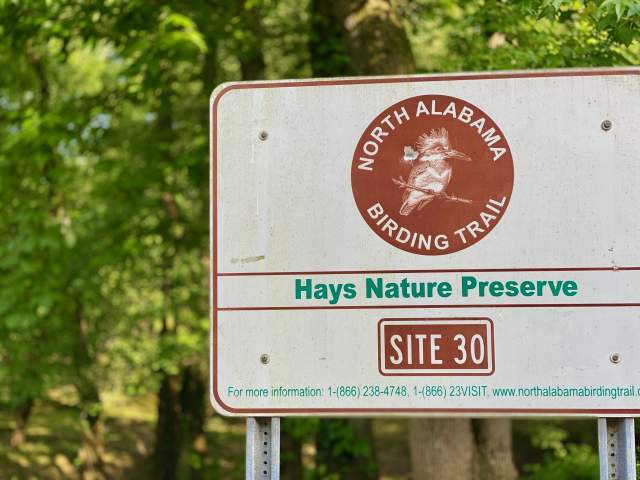
Hays Nature Preserve: With more than 10 miles of trails that wind along the Flint River through swamps and bottomland, birders can find great blue and green herons, snipe, bluebirds, sparrows, and kingfishers.
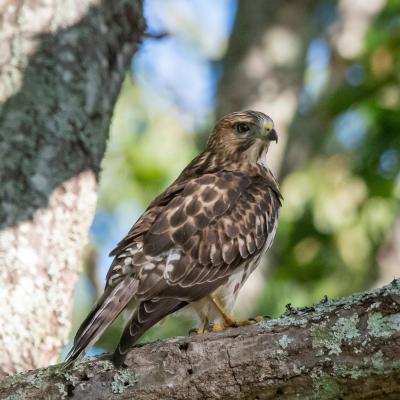
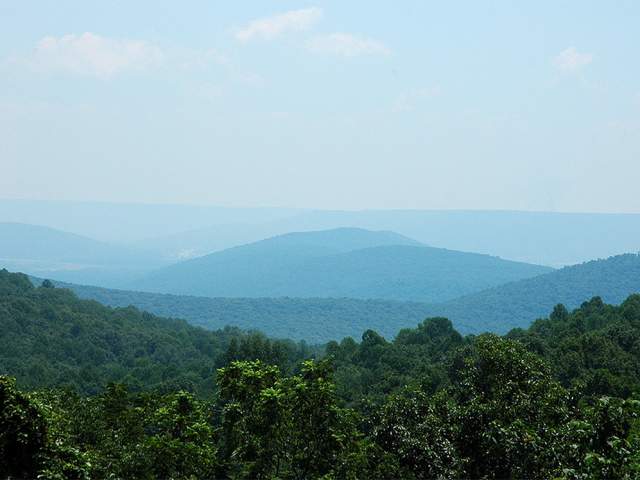
Monte Sano State Park: The paved parking lot at the overlook is one of the most popular locations for birders in the park. The top of the mountain offers excellent views of the valley and its resident raptors.
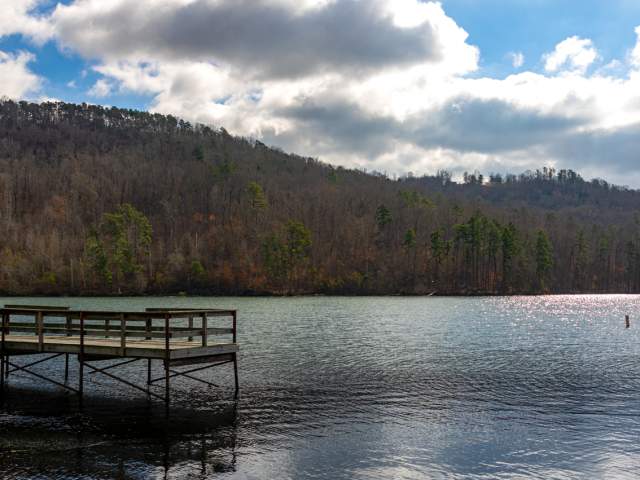
Madison County Public Lake: While the lake is more known for its fishing by humans, it is also popular among Canada geese as well as the occasional osprey or gull, which may swoop in looking for lunch. The surrounding woods are home to warblers, as well as cardinals and blue jays.
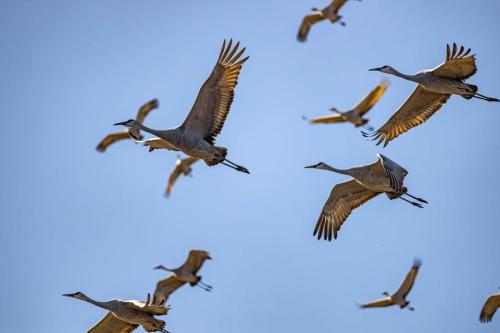
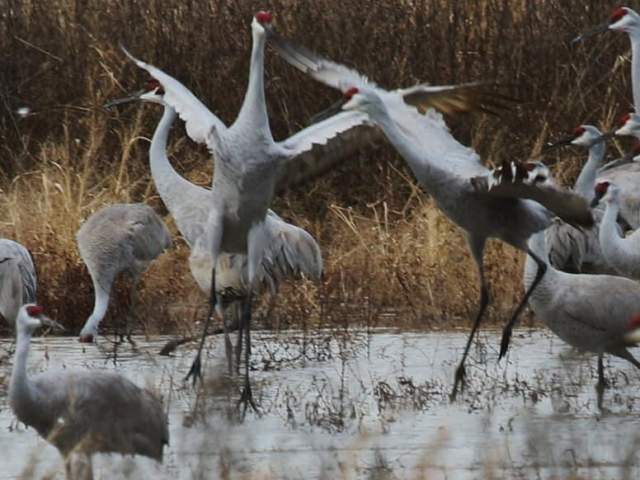
Wheeler National Wildlife Reserve Blackwell Swamp: The flooded woodland and marsh can be explored by car, on foot, or canoe. The area hosts a variety of wetland birds, including great blue and green herons, great egrets, and ducks. With the abundant dead trees throughout, woodpeckers can be spotted, while great horned owls will greet visitors in the winter mornings.
Chapman Mountain Nature Preserve: Owned and managed by the Land Trust of North Alabama, the preserve covers more than 500 acres and a Bird Blind and Habitat. Birders can find warblers, cuckoos, thrushes, woodpeckers, and bluebirds. Migrating species can also be spotted on their fall and spring journeys.