


History Buff
Explore Huntsville’s Past
Huntsville may be known as the Rocket City, but its story began long before rockets ever took flight. More than 200 years of history can be found throughout the city, with stories tied to Alabama statehood, the Civil War, industry, innovation, the Space Race, and the people who helped shape the community along the way.
Spend three days exploring historic neighborhoods, museums, landmarks, and places that connect Huntsville’s past with the city you see today.

DAY 1
Start at the Huntsville/Madison County Visitor Center
Make the Huntsville/Madison County Visitor Center your first stop and get your weekend game plan together. Pick up maps, including a downtown map, along with brochures and information for the historic places you’ll be exploring.
The Visitor Center team can also help answer questions and point you toward other stops you may want to add along the way.

Big Spring International Park and the Downtown Square
Start your historic adventure where Huntsville itself began. Big Spring International Park is considered the birthplace of the city and is where John Hunt, the man behind the “Hunt” in Huntsville, built his cabin.
The area also has connections to Huntsville’s cotton trade during the 1800s. Today, you can stroll through the park and around the Downtown Square while stopping to read historic markers that share more about the city’s past.
Harrison Brothers Hardware
Part museum and part store, Harrison Brothers Hardware is a must for history lovers exploring downtown Huntsville. The building dates to 1898, and the shop is a great place to browse locally made goods and pick up a souvenir from your trip.

Take a Walking Tour
Continue your day with a walk through the Twickenham Historic District, where streets lined with historic homes showcase another chapter of Huntsville’s history.
Use the digital Huntsville History Tour to learn about the homes, architecture, and people connected to the neighborhood as you explore. http://huntsvillehistorytours.org
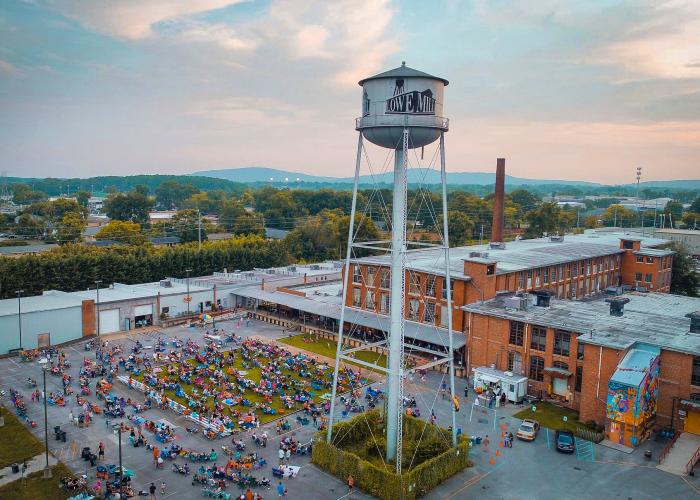
Lowe Mill ARTS & Entertainment
End your afternoon at Lowe Mill ARTS & Entertainment. Built in 1901 as a textile mill, the historic building has since been transformed into an arts and entertainment center filled with studios, galleries, shops, food, and more.
The building offers a great example of how Huntsville has given a piece of its industrial past a new purpose.
Restaurants for Day 1
Breakfast: L’Étoile Patisserie
Start your morning with a taste of Paris at L’Étoile Patisserie. The locally owned French bakery serves handcrafted pastries, croissants, Kouign-Amann, mille-feuille, and more made using traditional techniques.

Lunch: Cotton Row
Cotton Row gets its name from the days when cotton farmers came to the area to sell and arrange transportation for their cotton. The restaurant itself is located inside a building erected in 1821, making it a fitting lunch stop for your history-filled day.
Dinner: Rosie’s Mexican Cantina
Wrap up the day at Rosie’s Mexican Cantina, a Huntsville staple since 1995. Known for its Tex-Mex favorites and lively atmosphere, Rosie’s has been part of Huntsville’s local dining scene for decades.

Day 2
Alabama Constitution Hall Park
Start your second day at the site where Alabama’s constitution was written in 1819, making Huntsville the state’s first capital.
Alabama Constitution Hall Park takes visitors back to life in Huntsville during the early 1800s. Just behind the museum, you can also find Alan Shepard’s footprints, putting two very different pieces of Huntsville history side by side: Alabama statehood and the city’s connection to space exploration.
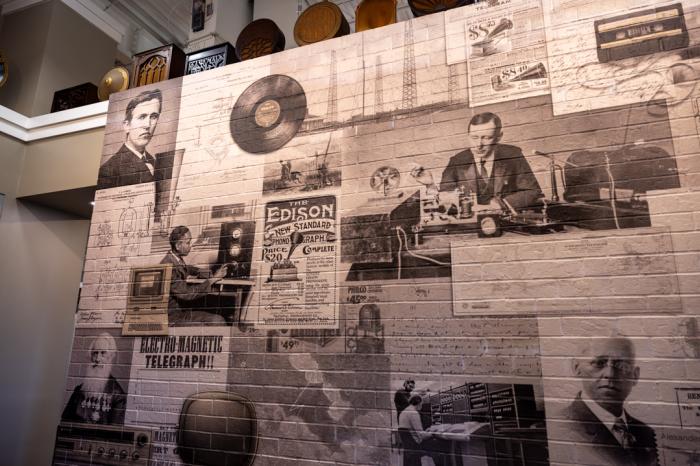
SIGNALS: Museum of Information Explosion
Next, explore the history of communication at SIGNALS: Museum of Information Explosion.
The museum features more than 1,200 rare artifacts, interactive exhibits, and hands-on experiences, including Morse code stations, that trace how humans have communicated and connected over time.
Weeden House Museum and Garden
Continue to the Weeden House Museum and Garden, another historic stop with plenty of stories to tell.
Built in 1819, the home belonged to influential painter and poet Maria Howard Weeden. It also served as living quarters for Union officers during the occupation of Huntsville.
Tours may be available, so check ahead before your visit.
Maple Hill Cemetery
Originally known as the “Burying Place,” Maple Hill Cemetery is filled with Huntsville and Alabama history.
Officially established in 1818, it is the oldest and largest operating cemetery in Alabama. Among those buried here are five Alabama governors, five U.S. senators, unknown Confederate soldiers, and eight Union officers.
Take your time walking the grounds and reading the markers. There are stories around nearly every corner.

Restaurants for Day 2
Breakfast: Your Hotel
You have a full day ahead, so grab breakfast at your hotel before heading out.
Lunch: Big Spring Cafe
Keep the history theme going at Big Spring Cafe, known as Huntsville’s oldest restaurant. This longtime local spot is known for straightforward diner favorites, including burgers and fries.

Dinner: Stovehouse
Huntsville has a way of giving historic buildings new life, and Stovehouse is another great example. The former stove factory is now a mixed-use destination with several places to eat, outdoor gathering spaces, and regular entertainment.
Day 3
Burritt on the Mountain
Begin your final day at Burritt on the Mountain, often called the “Jewel on the Mountain.”
When Dr. William Burritt died in 1955, he left his home and the surrounding 167 acres to the City of Huntsville to be used as a museum.
Today, visitors can explore Dr. Burritt’s home and learn more about his life before heading into the Historic Park. Six restored 19th-century buildings share the story of rural farm life in the region, and yes, you’ll find farm animals there too!

U.S. Space & Rocket Center
Finish your journey through Huntsville history with the chapter that earned the city its Rocket City nickname.
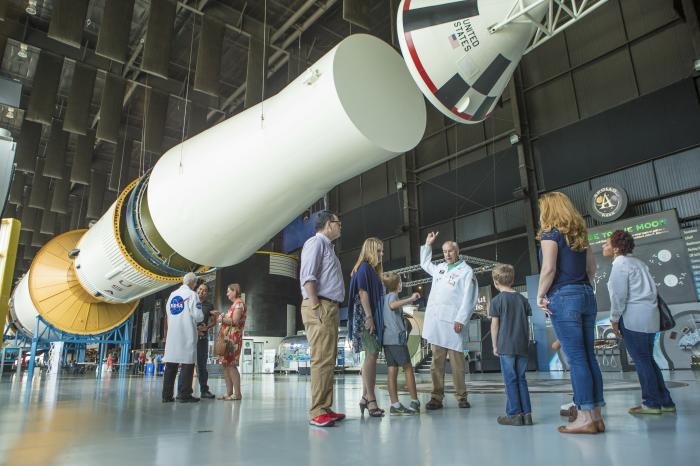
At the U.S. Space & Rocket Center, walk beneath a Saturn V rocket, see the Apollo 16 Command Module, and explore artifacts, spacecraft, and historic rockets connected to America’s space program.
After spending the weekend exploring Alabama statehood, 19th-century homes, Huntsville’s industrial history, and more, it’s a fitting place to see how the city became a major part of the Space Race.
Restaurants for Day 3
Breakfast: Blue Plate Cafe
Start the morning with a Southern breakfast at Blue Plate Cafe. Biscuits are a must, and you’ll find plenty of traditional breakfast favorites to fuel your final day of exploring.
Lunch: Ol Heidelberg
Huntsville’s German heritage has strong ties to the city’s space story, making Ol Heidelberg a fitting lunch stop after exploring Rocket City history. This family-owned restaurant has been serving German dishes, including plenty of schnitzel, since 1972.
Dinner: Big Ed’s Pizzeria
Finish your weekend at another longtime Huntsville restaurant. Big Ed’s Pizzeria has been serving pizza in Huntsville for more than 50 years, giving you one last local stop before wrapping up your history-filled trip.
Helpful Hints
Check museum websites before your trip for current operating hours, admission information, and tour availability.
Wear comfortable shoes and bring water. You’ll be covering plenty of ground over these three days!
Give yourself extra time downtown. Many of Huntsville’s historic sites are located close together, making it easy to discover additional markers, buildings, and stories between planned stops.
Honorable Mentions
Huntsville Ghost Walks
Want to add a little mystery to your history? Huntsville Ghost Walks combine local history with stories of the city’s haunted past.
Tours are led by local guides and offer several ways to explore Huntsville’s historic districts while hearing the stories connected to the people and places along the route.

Maple Hill Cemetery Stroll
If your visit lines up with the annual Maple Hill Cemetery Stroll, add it to your plans.
More than 75 costumed volunteers portray notable people from Huntsville’s past throughout the cemetery. The event also features traditional music, special exhibits, an antique auto display, and scavenger hunts for students.
After three days, you’ll have traveled through more than 200 years of Huntsville history, but you’ll have only scratched the surface. There are always more stories, landmarks, and pieces of the past waiting to be discovered in Rocket City.
Congratulations! You’ve done it. You have just navigated and explored your way through 200-plus years of Huntsville history. What an adventure it has been. But as you know, a historian’s job is never done. More research must be conducted. New discoveries are uncovered all the time. You’ve only begun to crack the surface of the Rocket City. It won’t be long before you hear the siren call that is Huntsville history… See you next time!

- Huntsville Museum of Art
- Nov 12, 2026 - Jan 3, 2027


- Huntsville Museum of Art
- Nov 12, 2026 - Feb 28, 2027
